The only thing I can say with certainty is there will be change.
This was my opening line to our first team development time with our 2 new team members. It can be hard to find time to spend on being a team among all the doing. But that time is key.
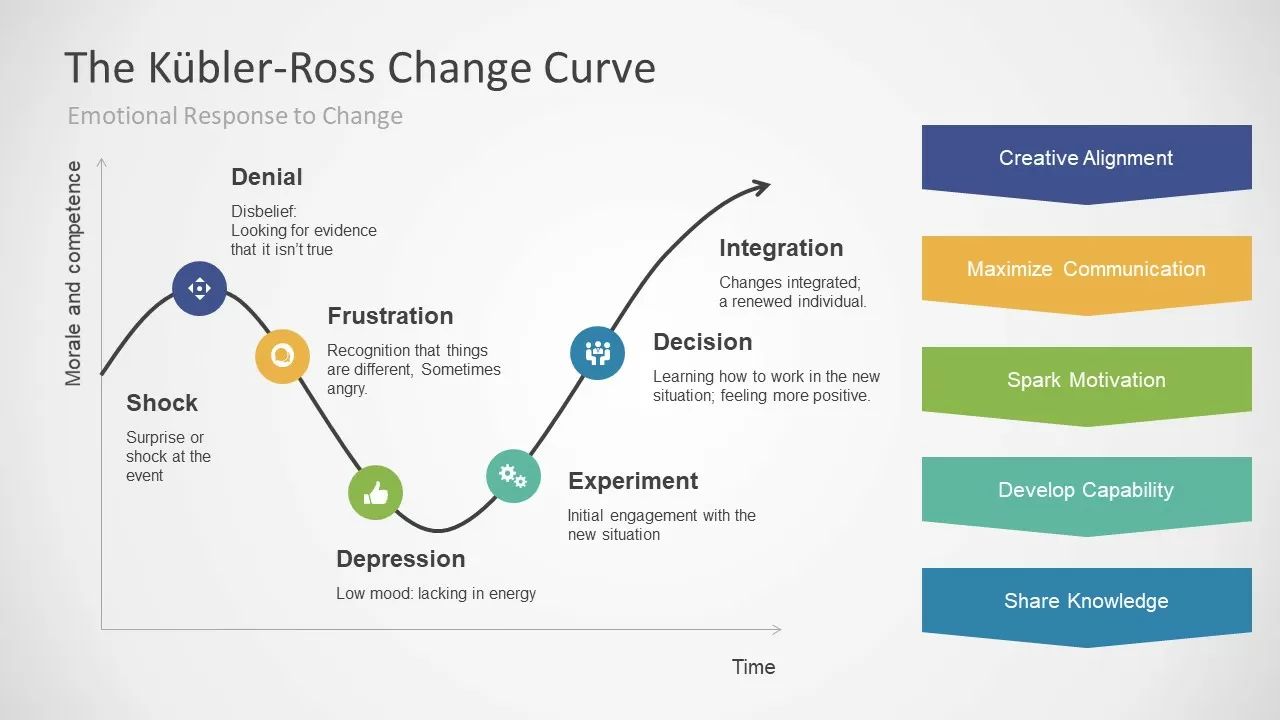
What was warming to see was the existing team members saying, with honesty, that they didn’t really get why we did this exercise first time round. But now, having seen the results, they know it is important if we are going to deliver. Even if it did take them away from deadlines.
We are an in house marketing function. Our own in house agency. We are the creative and the communicator. We live our clients pains and gains and are the voice of the client and the end user in our complex scaling business.
To perform as we need to, we need that solid foundation of trust and respect. Of psychological safety to push the envelope. To challenge. To do the right thing. And to perform at a high standard.
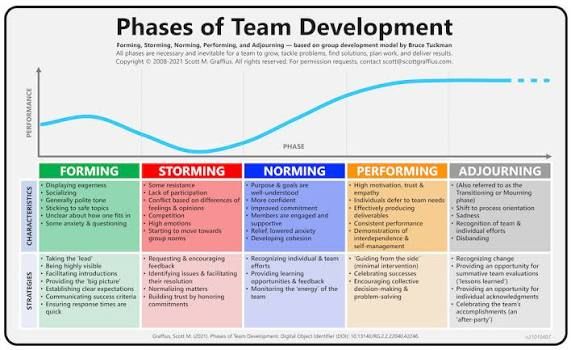
I am fortunate to have worked with, and led some, extremely talented people in high performing teams in my career.
Here are the 3 signs for me we are there:
🤝There is lean in by all on all the projects. Everyone feels connected and their opinion is valid.
🤝There is a switch out of leadership. Not just one voice all the time but all taking the lead where it works. By doing our bit to aid the flight.
🤝Autonomy and accountability is there and ‘stuff gets done’.
My team understand my constant reference to us as ‘in flight’ and my likening us to geese, but they (most of the time) know I am not a crazy twitcher, more stealing with pride from nature’s efficiency and survival.
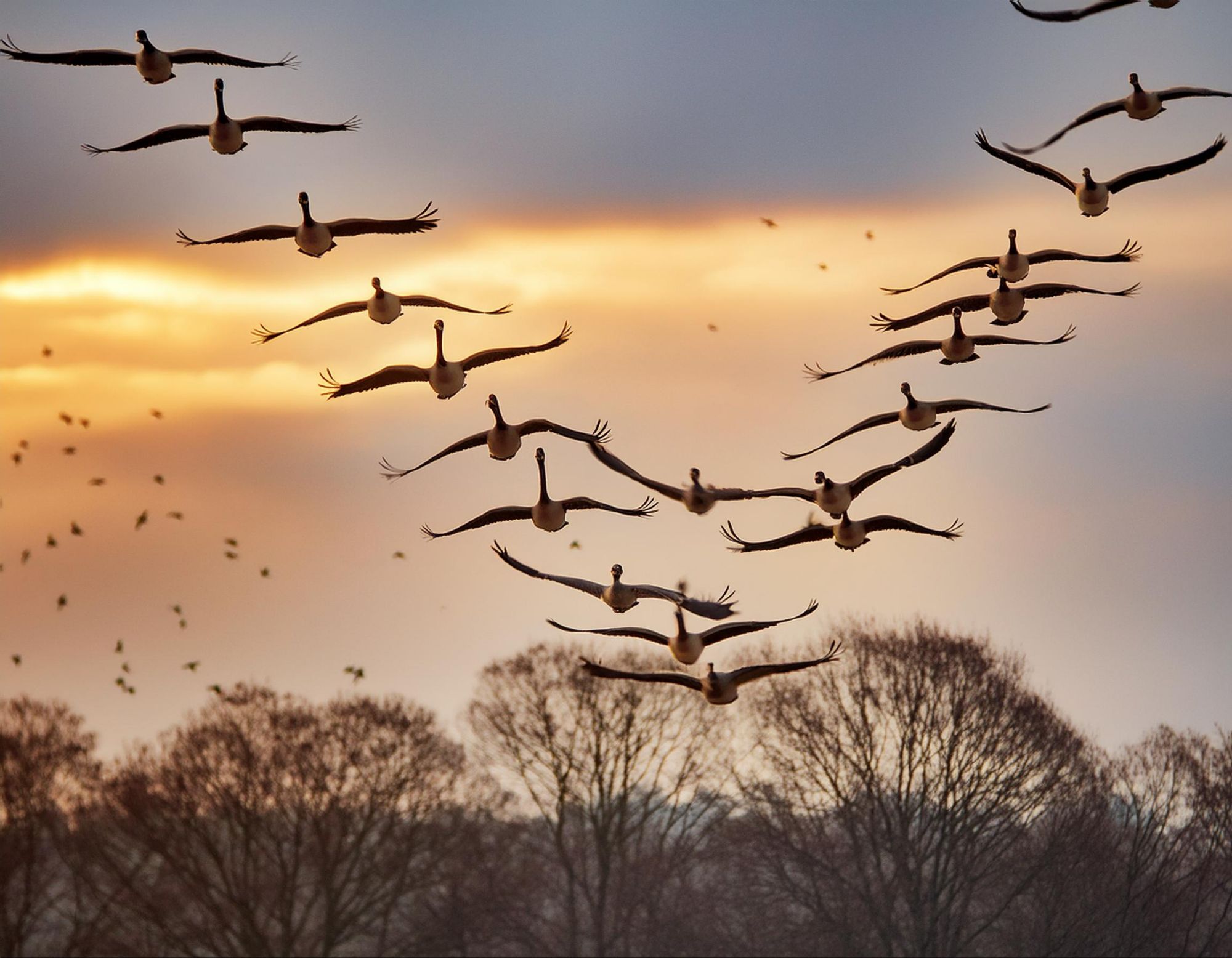
We talk about the Geese flying and take the lessons from them and apply them to us as a high performing team.
🪶Energy efficiency through aerodynamics – when we are working as a high performing team, nobody is overlapping on work, nothing is dropped, we work at the most efficient capacity of our capabilities.
🪶Rotating leaders prevent fatigue – no one leader, but the right leader at the right time. Taking a turn to drive things forward means the strongest flyer leads for the task and no one person is always doing the harder shift all the time.
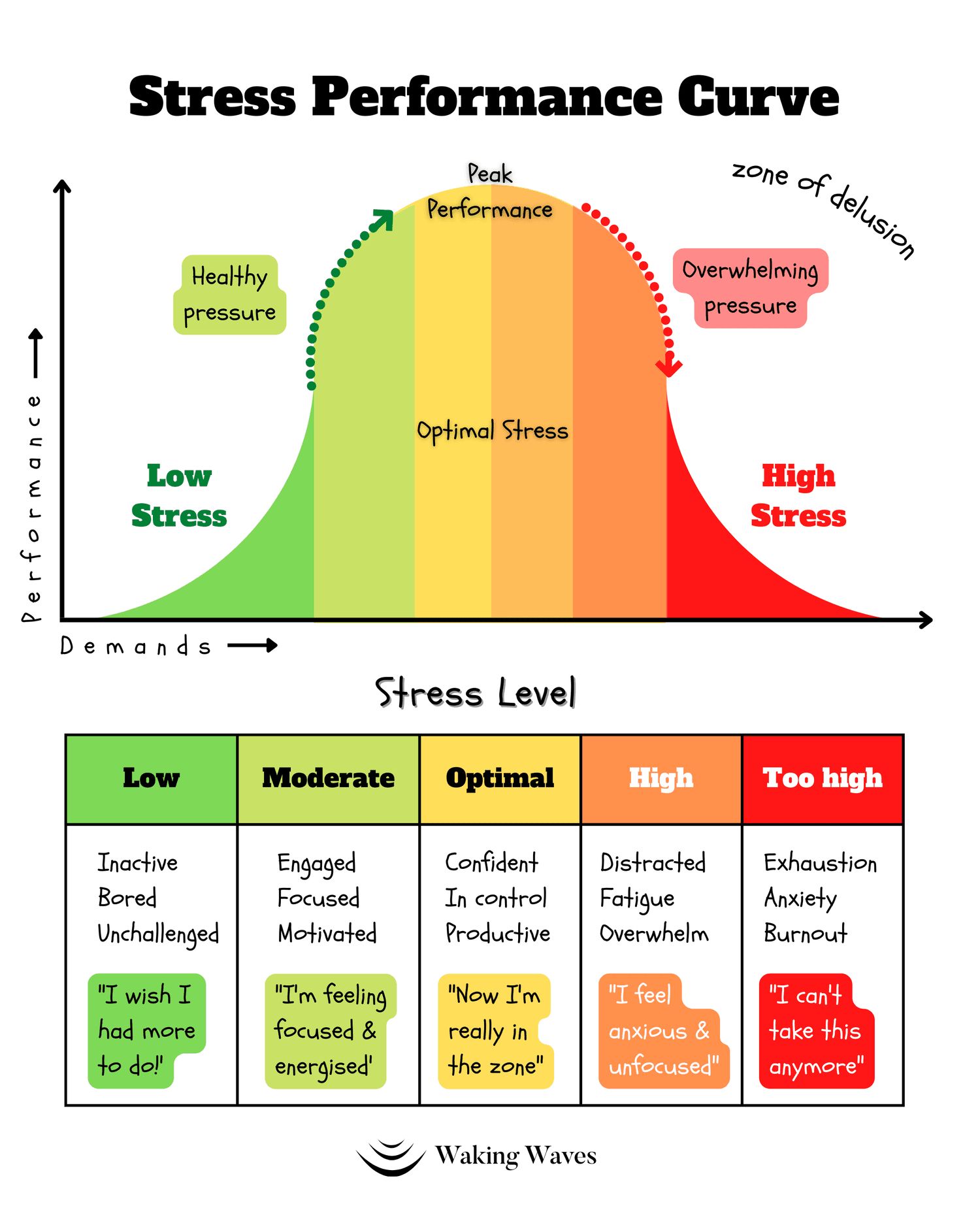
🪶Honking when flying – The honking helps each goose communicate its position and co-ordinate with the other geese in the V when they shift position. Even though the honking uses energy, it’s outweighed by the energy the flock save from the formation flight. – I dont think I can ever emphasise enough the need for regular communication and if you feel you are over communicating, it’s probably about the right amount.
🪶Navigational accuracy and visual cues – flying together helps the more experienced birds pass on their learnings to the younger birds. It ensures that all the flock are learning and growing and getting safely to their destination.
🪶Hardwired or learned – Flying in a V formation is a learned behaviour and has to be practiced to keep it working. Investing in time together to learn is important for the team.
🪶One side of the V often longer than the other – flexing to lean in to the wind direction enables the team to respond to the constant changed and pivots, the occasional u-turn too, that comes as par for the course for any business.
We as one team move at speed and our outputs have that thread of connection that delivers the wants, needs and small (occasionally larger) delights for the people we make them for.
And of course, the KPIs look good and well, isn’t that just what it’s all about……….
Fly well my friends🪽

Leave a comment