The best B2B marketing is human. Storytelling, segmentation, and customer experience are no longer optional they’re the edge.
For years, B2B organisations, and recruitment in them, insisted they were different. “Our buyers are rational.” “Purchase decisions are logical.” “We don’t need brand we need leads.”
And for years, many of those same organisations underperformed, commoditised themselves, or struggled to differentiate in increasingly competitive markets.
The truth?
B2B buyers are still people. They’re influenced by emotion, narrative, trust, and perceived value just as much as B2C consumers.
Having worked in FMCG I naturally borrowed from our best in class B2C procrsses. And it worked.
And it keeps working.
Here is how I apply consumer marketing principles and transformed performance, improved positioning, and helped build brand preference in a space where most competitors still relied on product sheets and sales decks.
I Prioritised Storytelling Over Specs
B2C has always known that emotion drives memory and memory drives preference. In B2B, brands often default to features, technical diagrams, and rational arguments. These are important hygiene factors. But senior decision-makers aren’t reading datasheets on Sunday mornings. They’re looking for clarity, confidence, and direction. Maybe even inspiration.
So I crafted a strategic narrative:
👁What change is happening in the market?
💭Why are customers struggling?
🧠What role can we play in solving that?
The result: clearer messaging, faster internal alignment, and a brand story that actually connected.
TOP TIP – Build your vision and reason to win around people not products. Products will change but the benefit you bring to people stays.
I Treated Segmentation Like a Profit Centre
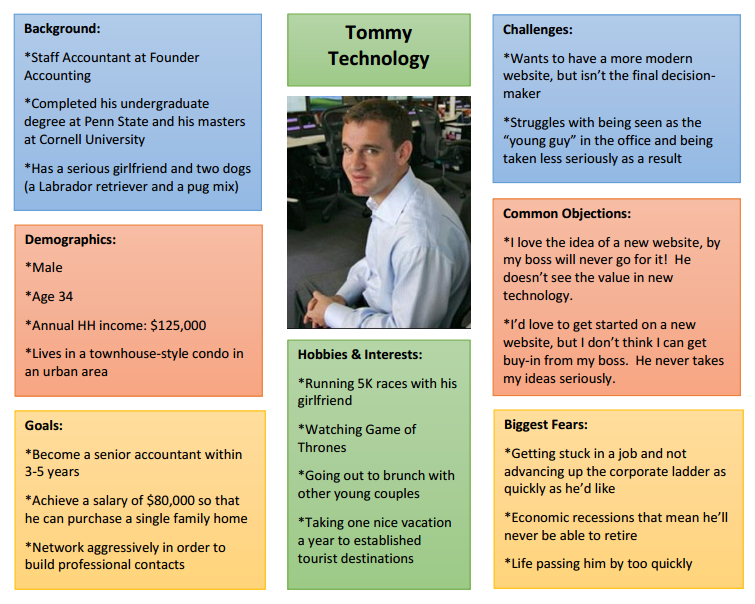
Most B2B segmentation is demographic: industry, company size, maybe revenue. It’s limiting. B2C has long used behavioural and psychographic segmentation to understand motivation and value. I have applied the same techniques many times and this works particularly well in healthcare product marketing.
💭What triggers action?
💭Who is risk-averse vs. innovation-led?
💭Who thinks long-term vs. short-term?
💭Who buys based on performance vs. partnership?
This helped us tailor content, restructure value propositions, and ultimately improve ROI because we were speaking to what customers actually cared about.
I Shifted Focus from Funnels to Experiences
Funnels are useful, but B2C brands win by managing the end-to-end experience — not just top-of-funnel volume. Marketing must own the end to end customer journey. So I mapped the customer journey like a service designer:
💡Moments of truth
💡Moments that matter
💡Friction points
💡Cross-functional blind spots
💡Emotional high and low points
To win you need aligned sales, product, onboarding, and customer success around a shared experience vision.
The impact? Shorter sales cycles, higher conversion rates, and dramatically stronger advocacy
I Built a Brand With Memory Structures
B2C is the master of mental availability repeated cues, distinctive assets, visual consistency. B2B often changes its look-and-feel every campaign. Data driven focuses on fatigue. The click through dropping. This forgets that only 10% at most of your audience is ready to convert at point of Marketing.
We introduced:
✅️Distinctive brand assets
✅️Clear visual identity
✅️A tone of voice with character
✅️A brand heart
✅️Category entry points designed to trigger recall
We became recognisable — and in crowded B2B markets, recognisable is half the battle. At Sureserve we gained +5% on our competitors in brand saliency just by, well, behaving like a brand.
I Measured Like a B2C Marketer
Instead of asking “How many leads?” (don’t worry, I still love leads) I asked:
❓️What’s our share of voice?
❓️What’s our brand preference growth?
❓️How does customer behaviour change after exposure?
❓️Which segments drive profit, not just volume?
B2C taught me that marketing isn’t just a cost centre. It’s an engine of commercial value.
Key Takeaways
🎯Human-centric marketing wins even (especially) in B2B.
🎯Story beats specs when you’re trying to land a message that sticks.
🎯Segmentation must go deeper than industry and job title.
🎯Experience design is the new competitive advantage in complex buying journeys.
🎯Brand matters more than ever because it shortcuts complexity.
Borrowing from B2C is not a risk. It’s a strategic accelerator. You can’t afford not to.
If B2B wants to keep up with the pace of change, to stand out in anlish world, to win saliency and not just scrabble at the end of funnel with the others, it has to think like B2C: human-first, insight-led, and experience-driven.
That’s where the wins happen and where the next generation of category leaders will be built.

Leave a comment